For someone who prefers useful gifts with a lighter footprint, reusable kitchenware and tools for growing plants can fit naturally into daily life.
These nine gift ideas span countertop composting, meal prep, gardening, and outdoor use. Match the choice to the recipient’s space and habits, and check current prices before buying.
9 Gift Ideas for Eco-Conscious People
EPICA 1.3-Gallon Countertop Compost Bin
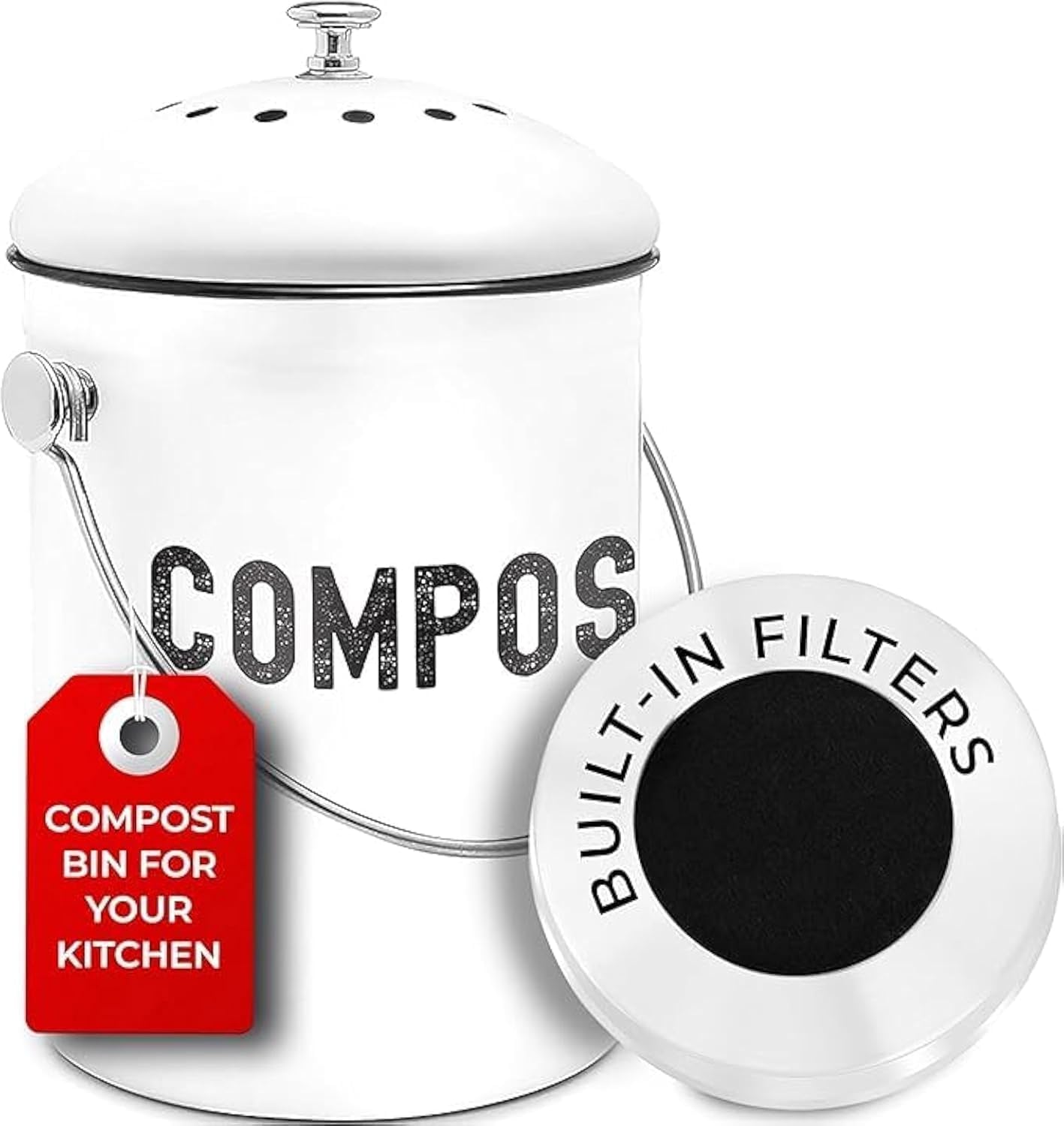
- An airtight lid and replaceable activated-charcoal filter are designed for indoor composting.
- The stainless steel bin is made as a one-piece molded design that resists rust and leaks.
- Its compact form is intended to fit on a kitchen counter while holding several days' organic waste.
Best Gift For: A home cook who wants to collect food scraps on the counter before composting.

Redmon 65-Gallon Outdoor Compost Bin
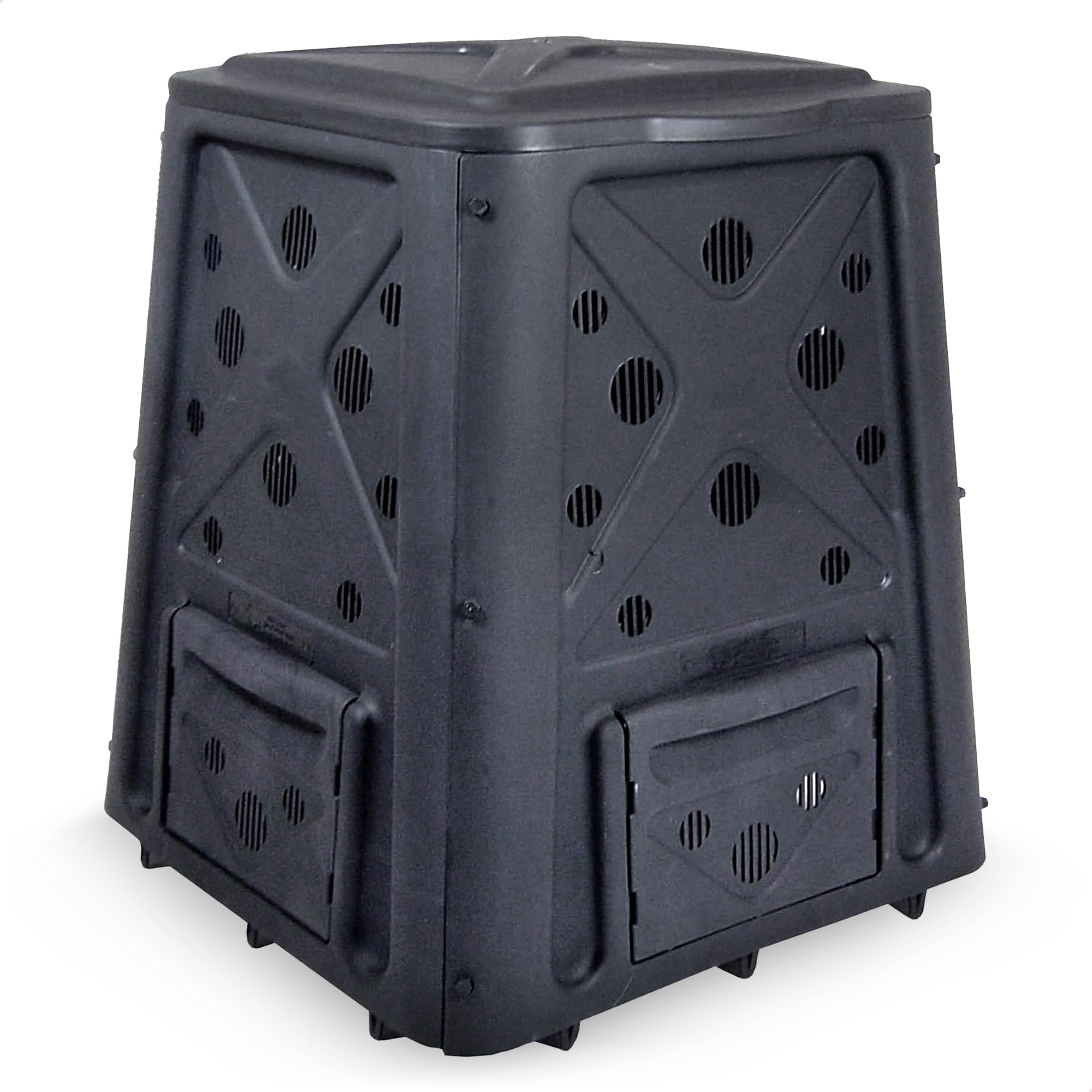
- Vent holes help organic materials compost.
- The bin is made using recycled materials.
- A lift-off lid and four-door access make it easier to reach the contents.
Best Gift For: A gardener with outdoor space who wants a bin for turning organic waste into compost.
Fellow Carter Move 16 oz Travel Mug
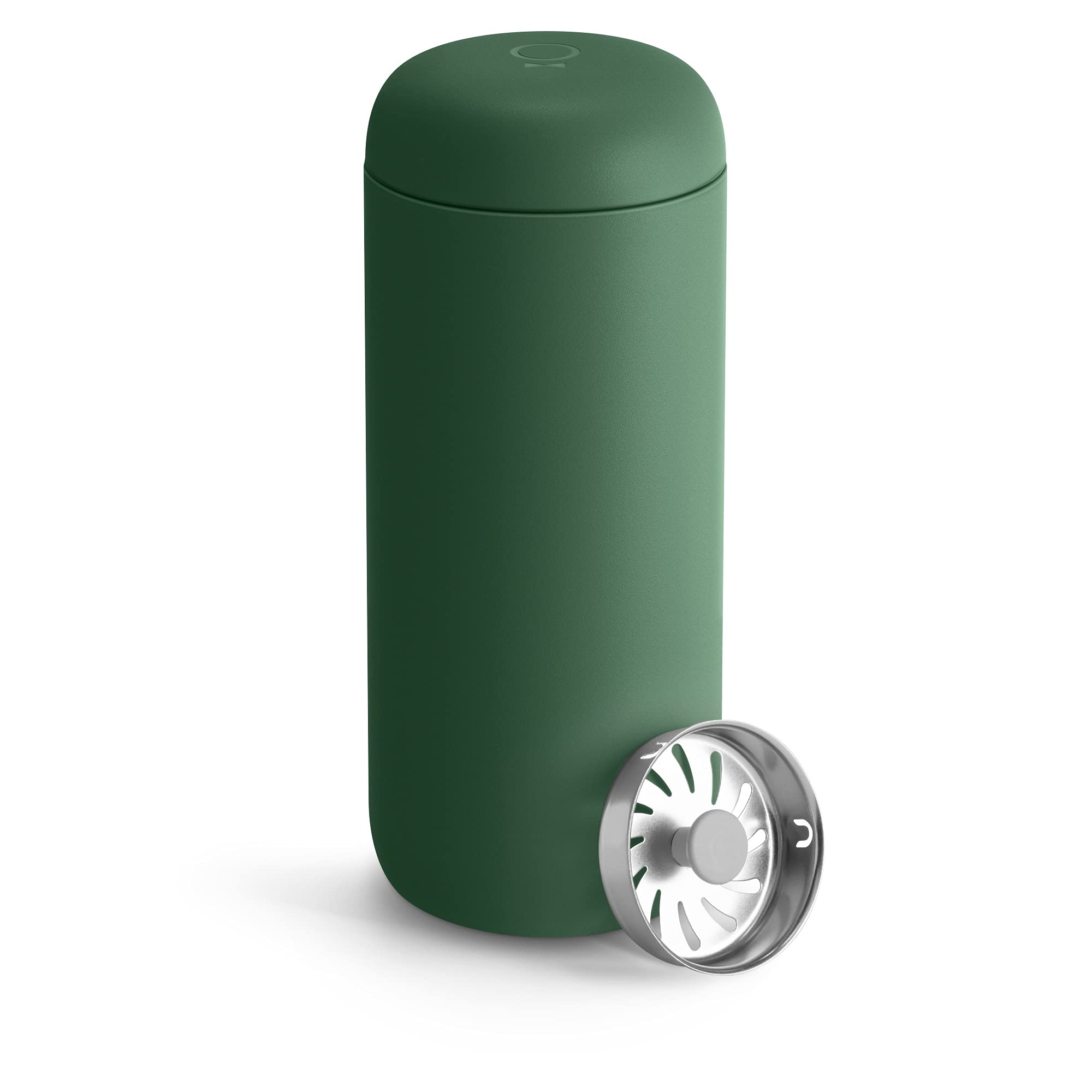
- The ceramic-coated interior is designed to keep drink flavors clear of lingering oils and odors.
- A twist-lock lid and removable splash guard help keep liquid steady on the go.
- The mug is dishwasher safe for everyday cleanup.
Best Gift For: A coffee or tea drinker who wants a reusable mug for commutes and errands.
PrepNaturals 5-Pack 34 oz Glass Meal Prep Containers
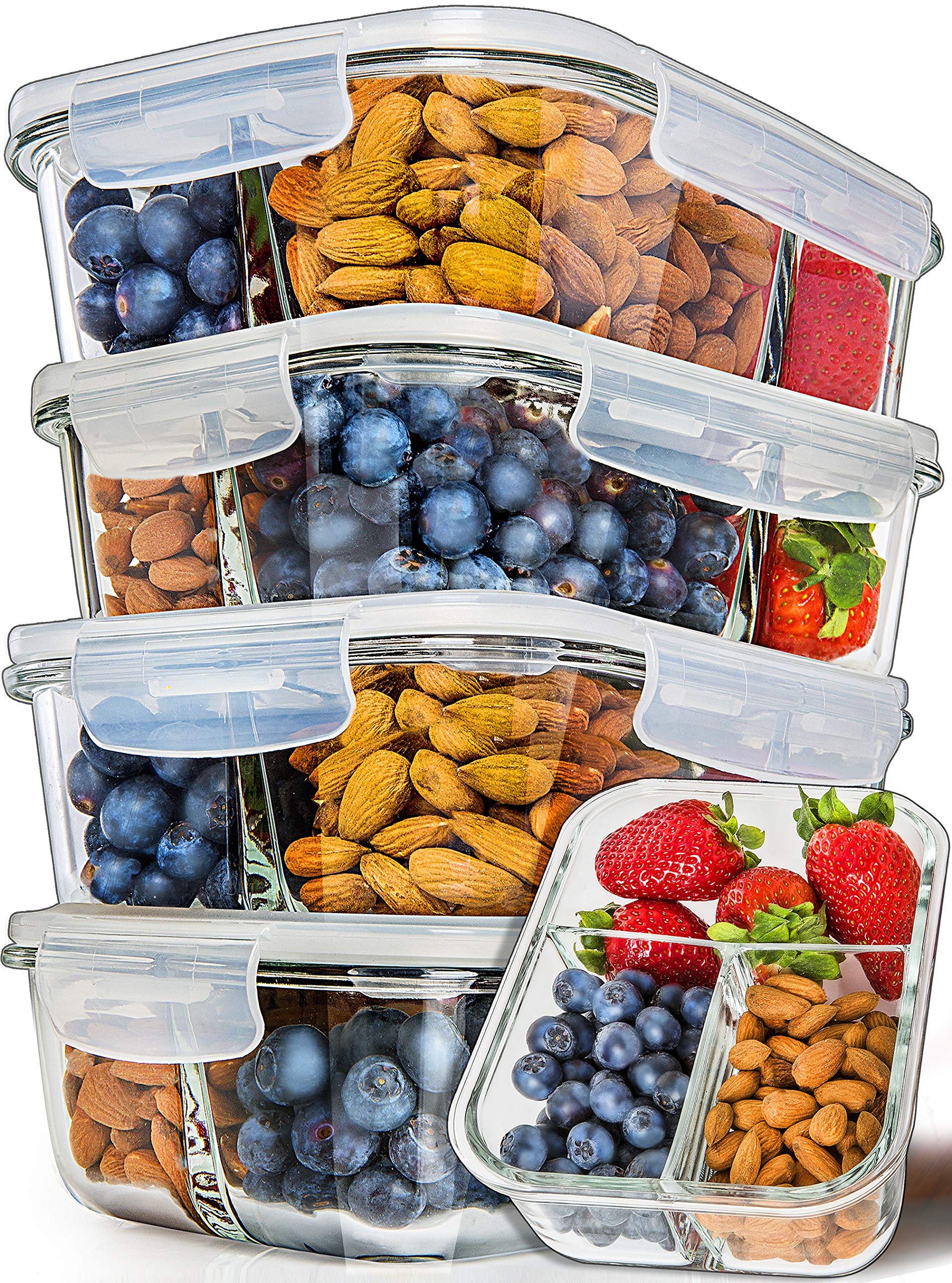
- The five-container set is made from borosilicate glass.
- These glass meal prep containers are microwave-safe, oven-safe, freezer-safe, and dishwasher-safe.
- Airtight, leak-resistant lids are designed to keep meals fresh.
Best Gift For: Someone who packs homemade lunches for work, the gym, or travel.
LETPOT LPH-Lite 12-Pod Hydroponic Herb Garden
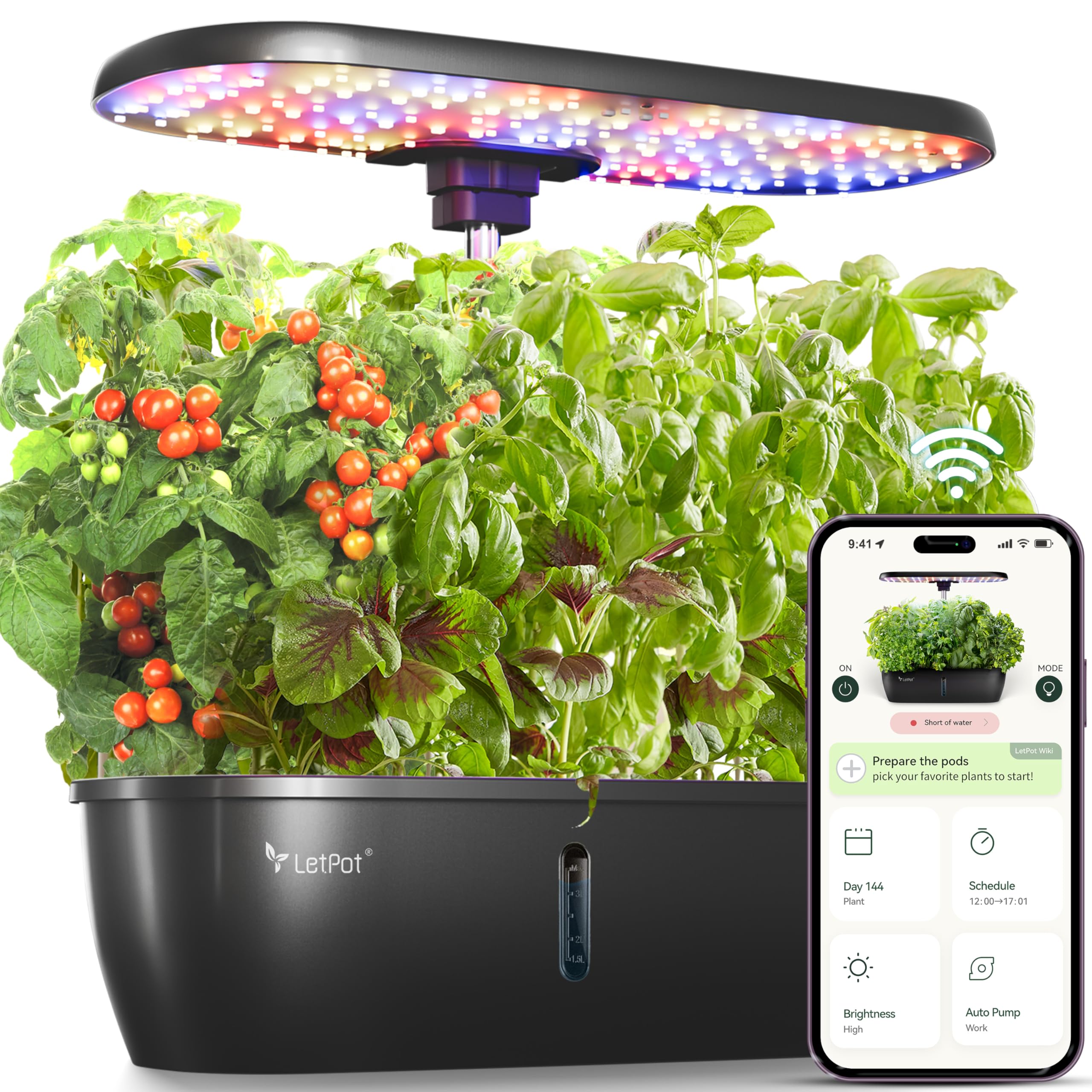
- The indoor growing system has twelve planting pods.
- App control lets the user set an LED lighting schedule.
- The kit includes planting pods, sponges, baskets, covers, and nutrients.
Best Gift For: A home cook who would enjoy growing herbs indoors.
Best Choice Products 6x3x2ft Metal Raised Garden Bed
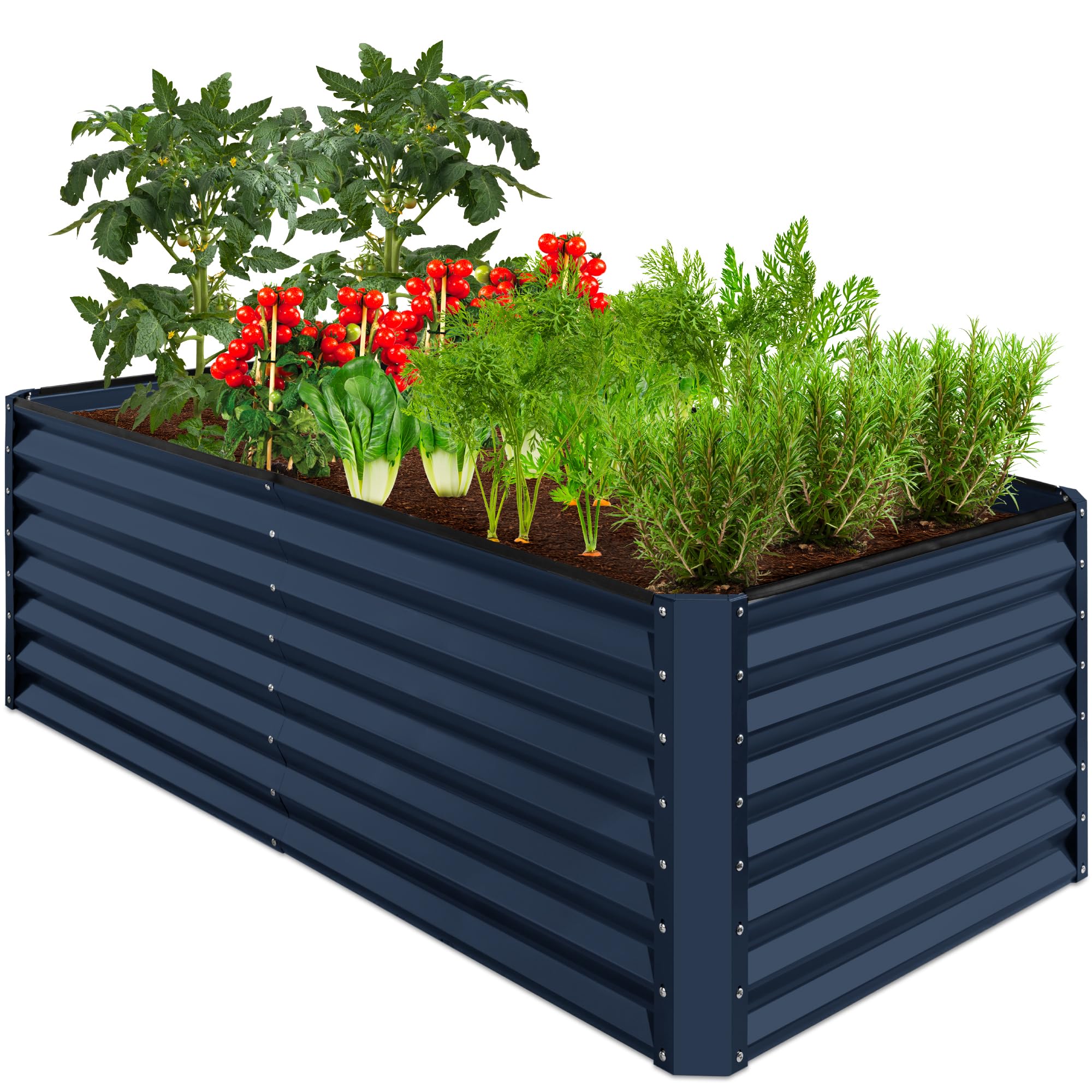
- Its growing depth is suited to medium- to deep-rooting plants.
- The bed uses powder-coated steel panels with a non-corrosive finish.
- Assembly uses included wingnuts and bolts without tools.
Best Gift For: A gardener who wants a deep outdoor bed for vegetables, flowers, or herbs.
LetPot Smart Seed Starter with Humidity Dome
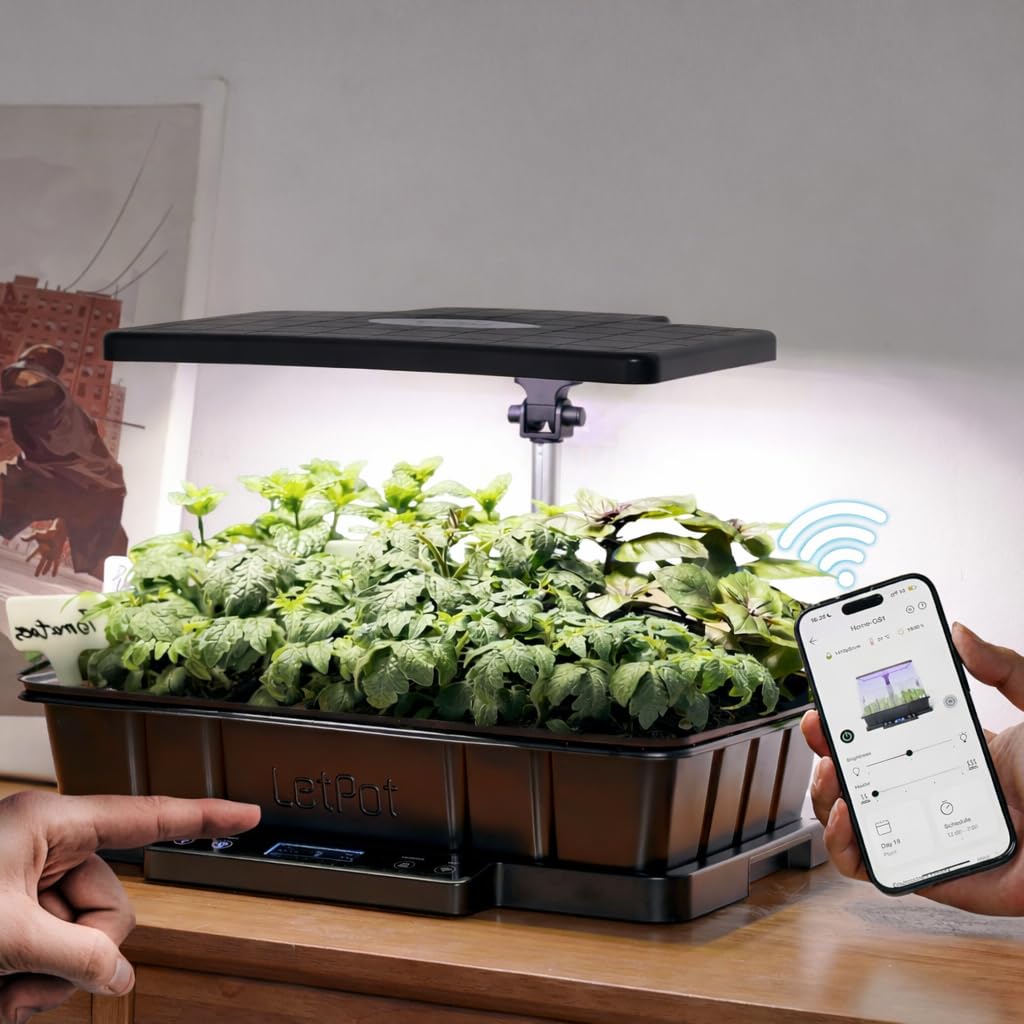
- The kit combines a grow light, heating base, humidity dome, and app control.
- The seedling tray has forty cells and works with soil, coco coir, or grow sponges.
- The reusable tray system is intended for year-round indoor seed starting.
Best Gift For: A gardener who likes starting herbs, vegetables, or flowers from seed indoors.
KingCamp Low Folding Beach Chair with Carry Bag
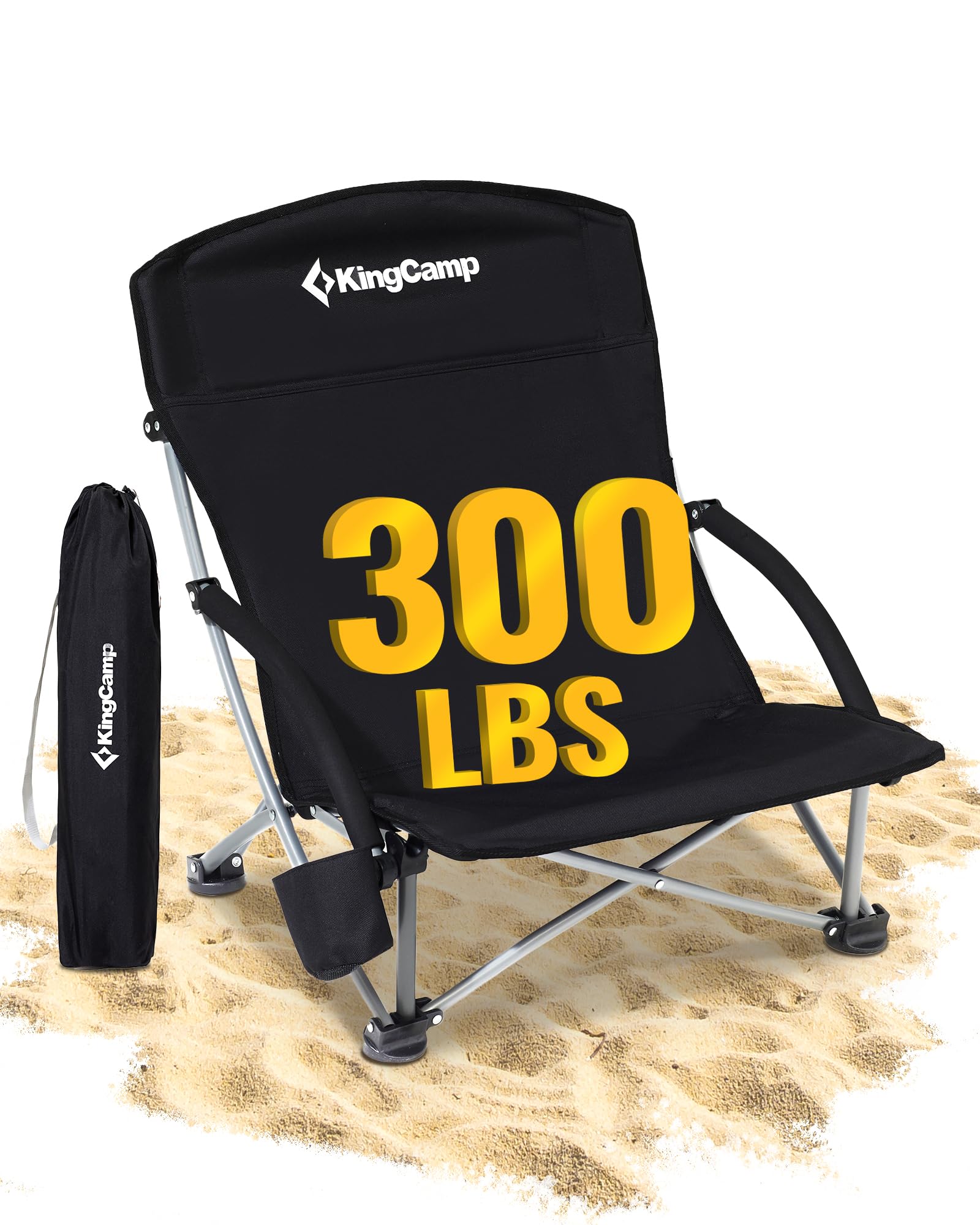
- The low seat is intended for relaxed beach, backyard, or festival lounging.
- A mesh cup holder and pockets provide places for small items.
- The chair folds compactly and includes a carry bag.
Best Gift For: Someone who enjoys outdoor leisure and wants a portable seat for beach or picnic outings.
Hydracy 32 oz Water Bottle with Time Marker
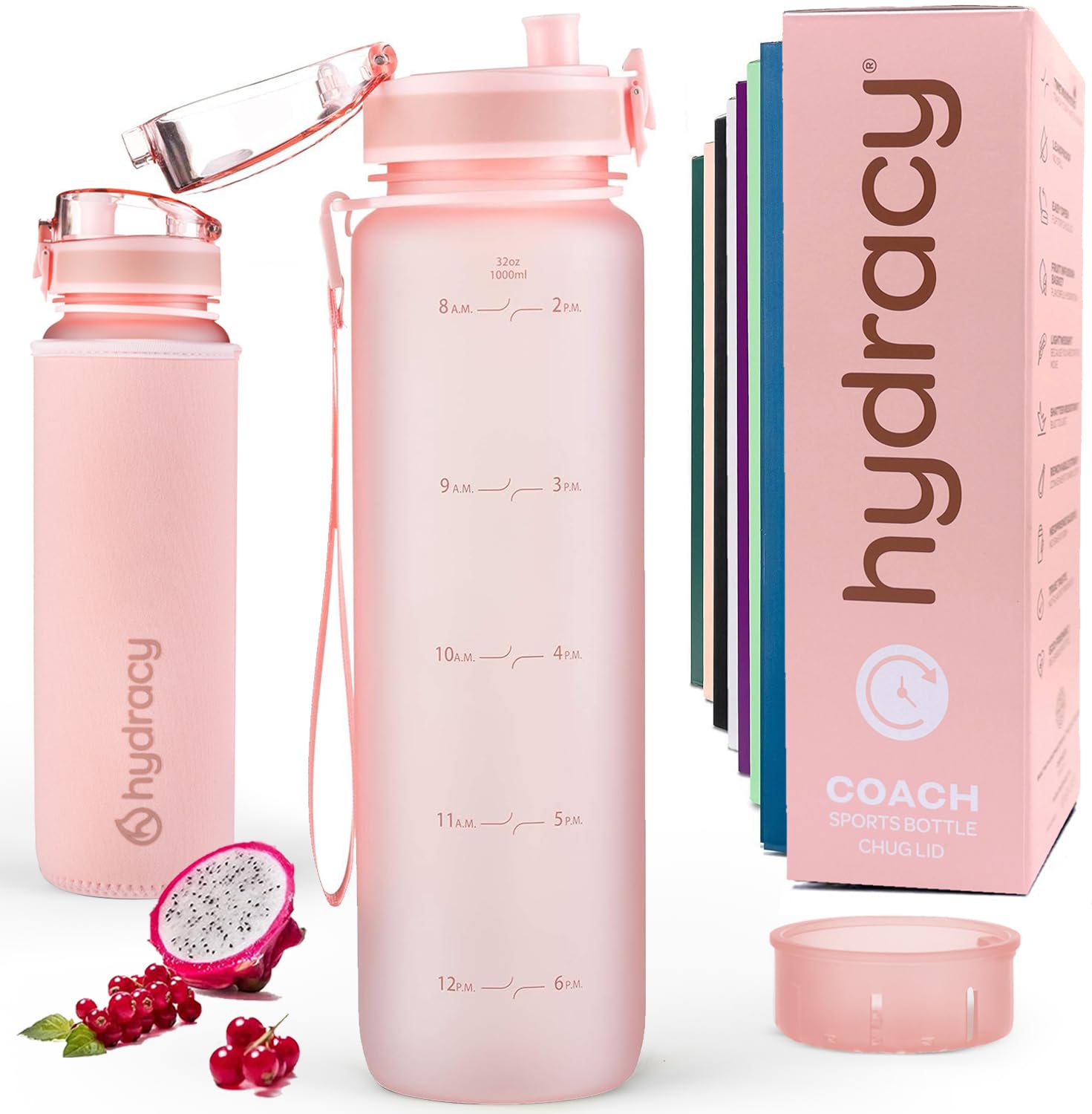
- The timeline offers reminders for when to take a sip.
- The bottle is made from BPA-free Tritan plastic.
- A detachable strap and fruit infusion strainer are included.
Best Gift For: A fitness or outdoor enthusiast who wants a reusable bottle for workouts and outings.
Choose gifts for eco conscious people under 100 around daily habits
When choosing gifts for eco conscious people under 100, start with one routine the recipient already has. A person who cooks most evenings may appreciate a way to collect scraps or pack leftovers, while someone who tends plants may prefer support for composting, seed starting, or a new garden bed.
A useful match is more likely to be used regularly.
Consider where the gift will live and how much care it asks for. A countertop item needs convenient space near food prep; an outdoor composting or planting project calls for room outside and willingness to maintain it.
For a smaller home, reusable drinkware or meal containers can serve a daily purpose without needing a new hobby.
Think about the recipient’s experience level. A beginner may welcome a ready-to-use indoor growing kit, while an established gardener might value a larger project.
If you are unsure, choose something that complements an existing habit rather than adding a demanding one.
Balance budget, space, and usefulness
Set a comfortable spending range before browsing, then compare the whole setup each gift requires. A garden bed may also call for soil and plants; a growing kit may need seeds; food containers or a mug may be useful on their own.
Check actual prices and what is included so the gift fits the budget after any necessary additions.
Space is another practical cost. A compost bin or indoor garden occupies a regular place, and a raised bed needs an outdoor spot.
Ask casually about available counter, shelf, or yard room when the item depends on it. For an apartment dweller, compact reusable kitchen items may be easier to welcome than a large gardening project.
Choose durable, reusable items when they suit the recipient’s routine, but don’t assume a green-themed product will be useful simply because of its materials. Look for a clear role: replacing disposable cups, organizing packed meals, or supporting food-scrap composting.
Relevance matters more than a broad sustainability label.
Personalize gifts for eco conscious people under 100
For gifts for eco conscious people under 100, a short personal note can explain why you chose the item: perhaps it fits their lunch routine, helps make room for kitchen scraps, or encourages a garden they have mentioned. Tie the message to what you know about them rather than making claims about environmental impact that are hard to measure.
Presentation can reflect the same practical spirit. Reuse a clean box, paper saved from another parcel, or a cloth wrap the recipient can keep.
For a container or mug, add a handwritten recipe or favorite drink suggestion; for a gardening gift, include a note with a seed or planting idea only if you know it suits their plans.
If the item needs setup, offer a simple hand with unpacking or assembly when you give it. Confirm first that they would welcome the help, and leave room for them to choose how and when to use it.
A thoughtful gift supports the recipient’s own habits instead of prescribing a new lifestyle.
Make the choice easy to use
Before ordering, verify the exact model and variant, the dimensions, what accessories come in the box, and any compatibility needs. This matters especially for items that need lids, apps, supplies, or a particular space.
The product information may change, so check current details directly before completing the purchase.
For a last-minute gift, prioritize options that are self-contained and simple to explain. If a product needs soil, seeds, or another component, check whether those supplies are already available or can be included locally.
Keep the plan flexible: a handwritten card describing the intended use can accompany the item if the accessory choice needs more thought.
Check the delivery estimate for the recipient’s address and allow time for any setup or assembly. If timing is uncertain, a small note or printed picture can make a useful placeholder while you arrange the physical gift.
Avoid promising an arrival date until the order details confirm it.
Give a practical gift they can keep using
A strong eco-conscious gift should suit the person as well as the occasion. Ask whether they value convenience, growing food, reducing disposables, or spending more time outdoors, then narrow the choice to one need.
A focused present is easier to appreciate and less likely to become another item stored away.
If several ideas fit, compare care, storage, and how often the recipient is likely to use each one. A daily mug or lunch container may become part of an established routine; a garden project can be more memorable for someone who enjoys tending plants.
Consider their schedule and space before choosing the larger commitment.
Finish with a note that keeps the focus on them: mention the routine you hope it supports and invite them to make it their own. Practical gifts feel personal when they show attention to someone’s real interests, and simple reusable or growing tools can be a thoughtful addition to habits already in place.